
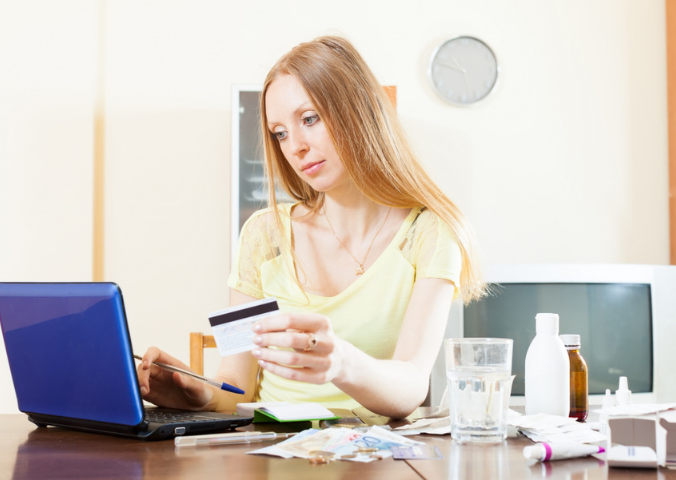
Every single week, millions of people across the country sit down to shop online — on their phones, laptops, and tablets — searching for deals, gifts, and everyday essentials. Shopping from home is convenient, fast, and comfortable. But it also comes with real risks that most people are not fully aware of until it is too late.
Right now, online shopping fraud is one of the most widely reported forms of consumer fraud in the country. Scammers have become increasingly sophisticated, using real-looking websites, professional-sounding emails, and believable social media advertisements to trick even the most careful shoppers. The result is lost money, stolen personal information, and a deeply frustrating experience.
This guide breaks down the 7 most reported shopping scams that people are seeing right now. Each one is explained clearly and honestly so you know exactly what to watch for, how these scams work, and what you can do to keep yourself and your family protected.
Knowledge is the most powerful defense against fraud. Read this from start to finish — then share it with someone you care about.
Scam 1 — Fake Online Stores
The most widely reported shopping scam right now is the fake online store. These are websites built specifically to look like real, trusted retailers. Scammers clone the design, fonts, and product photography of well-known brands. They register domain names that look almost identical to the real ones — sometimes with a single letter changed or a small word added.
When you place an order and enter your payment information, one of two things happens. Either nothing arrives at all, or you receive a cheap, low-quality product that looks nothing like what was advertised. Meanwhile, your card details, name, and address are now in the hands of a criminal.
Warning signs to check before you buy:
- The URL has unusual spelling, hyphens, or added words
- No physical address, no phone number, and no verifiable customer service
- The only payment options are wire transfer, gift cards, or cryptocurrency
- Prices are dramatically lower than anywhere else — often 70 to 90 percent off
- The website was created very recently and has no online history
Before entering any payment information, search the store name alongside words like "reviews" or "complaint" on a search engine. Real customer feedback will help you quickly determine if the site is trustworthy.
Scam 2 — Phishing Texts and Emails
Phishing scams are among the most reported common internet scams targeting online shoppers today. A phishing scam is a deceptive message — delivered by email or text — designed to trick you into clicking a link that takes you to a fake website. That website then captures your login credentials, credit card number, or other sensitive personal data.
These messages are crafted to look exactly like communications from companies you trust. They might claim your package is delayed and needs address confirmation. They might say your account has been locked and needs immediate verification. They might offer a special reward for completing a quick survey. The urgency and the familiar branding are designed to make you act before you think.
Here is the critical rule: never click a link in an unsolicited message. Instead, open a new browser tab, type the company's real web address, and check your account from there. If something genuinely needed your attention, it will appear in your account dashboard.
Also take a close look at the sender's email address. Scam emails often use domains that are close to real ones but slightly different. A message from "support@amazon-security-alert.com" is not from Amazon.
Scam 3 — Too Good to Be True Deals
One of the most reliable signs of a scam is pricing that simply does not make sense. When you see a product advertised at a tiny fraction of what it normally costs — think designer shoes for twelve dollars or a high-end tablet for thirty-nine dollars — that is almost always a too good to be true deal designed specifically to bypass your better judgment.
These deals flood social media feeds, pop up in targeted advertisements, and appear in promotional emails. The strategy is simple: offer something so attractive that the desire to save money overwhelms the instinct to question whether it is real.
What actually happens varies. Sometimes nothing is shipped at all. Sometimes a low-quality counterfeit arrives. Sometimes the shipment comes from overseas, takes months, and does not match the product description in any meaningful way.
A simple test: check the same product on a well-known, established retailer. If the price difference is extreme, trust your instincts. Legitimate sales and clearance prices exist, but they do not typically offer products at ninety percent below market value.
Scam 4 — Social Media Shopping Scams
Social media shopping scams have grown dramatically as more people discover products through their social media feeds. Scammers pay to run targeted advertisements on popular platforms, promoting flash sales from storefronts that appear completely legitimate at first glance.
The advertisements use polished images, compelling copy, and glowing testimonials — many of which are either fabricated or AI-generated. The checkout process feels secure. The confirmation email looks professional. But after the payment is processed, the seller disappears. Customer service goes unanswered. The return policy leads nowhere.
A pattern that researchers and consumer advocates have identified: most of these scam shops are created very recently, often within the last few months. The social media account behind the ad has very few posts, no organic engagement, and no community history.
Before purchasing from any seller you discovered through a social media advertisement, take a few minutes to research. Look for independent reviews on third-party websites. Check how long the account has existed. Search for any consumer complaints related to the brand name.
Scam 5 — Fake Product Reviews and Inflated Ratings
Most shoppers rely heavily on product reviews and star ratings when making purchasing decisions. Scammers and dishonest sellers know this, which is why fake product reviews have become such a serious and widespread problem across major marketplaces.
Sellers pay services to generate large volumes of five-star reviews using bot accounts or coordinated networks of reviewers who have never purchased the product. The result is that a product with hundreds of glowing reviews may be poorly made, unsafe, or fundamentally different from what is described in the listing.
There are a few free tools available that analyze review patterns and flag suspicious activity. Services like Fakespot and ReviewMeta examine the language, timing, and behavior patterns of reviews to give you a more reliable sense of whether a product's ratings are genuine.
Also look for reviews that include photos, describe specific details, or mention the product's shortcomings honestly. Authentic reviews tend to be more nuanced. A product with only five-star reviews and no critical feedback at all is often a warning sign.
Scam 6 — Non-Delivery Fraud
Non-delivery fraud is exactly what the name describes. You find a product, complete the purchase, receive a confirmation email with a tracking number — and then nothing arrives. The tracking number may show the package as delivered when it never reached your door, or it may simply stop updating after a few days.
This scam is particularly common on peer-to-peer selling platforms and marketplace listings from unverified third-party sellers. Scammers sometimes use real tracking numbers from other shipments — packages sent to your general ZIP code — to make it appear that delivery took place.
The best protection against this scam is how you pay. Credit cards give you the right to dispute a charge and request a chargeback when goods are not received. Debit cards, bank transfers, wire transfers, and cryptocurrency offer very limited or no protection in these situations.
Before purchasing from a marketplace seller you are not familiar with, take screenshots of the product listing, the seller's profile, and any messages exchanged. These records are essential if you need to file a dispute.
Scam 7 — Subscription Traps
Subscription trap scams lure people in with an offer that sounds completely reasonable — a free trial, a heavily discounted introductory product, or a one-time purchase that requires only a small processing fee. What these offers do not highlight clearly is that entering your payment information also enrolls you in a recurring subscription.
The terms disclosing the subscription are typically buried in fine print, written in small text, and designed to be easy to overlook. By the time most people notice the recurring charges on their statement, several billing cycles have already passed.
Canceling these subscriptions can also be deliberately difficult. Customer service lines may go unanswered. Cancellation pages may require multiple steps or specific notice periods. Some services continue billing even after a cancellation request.
Before accepting any free trial or discounted introductory offer, scroll through the entire checkout page and read every line carefully. Search the company name alongside "cancel subscription" and see what others have experienced. When available, use a virtual card number or a prepaid card with a set balance to limit potential exposure.
How to Protect Yourself — A Clear and Practical Checklist
Understanding these scams is important, but having a simple set of habits you can apply every time you shop online is what truly keeps you safe. Here is a straightforward checklist:
- Always verify the website address before entering any personal or payment information. Look for subtle misspellings or unusual domain extensions.
- Use a credit card whenever possible. Credit cards provide fraud protection and the ability to dispute charges that debit cards do not.
- Never click links inside unexpected texts or emails. Navigate to websites directly by typing the address yourself.
- Research sellers independently before buying. Search for reviews on platforms separate from the one you are purchasing on.
- Read free trial terms completely before providing payment details. Understand exactly what you are signing up for.
- Use review analysis tools like Fakespot or ReviewMeta to check whether product ratings appear authentic.
- Screenshot your orders, seller information, and any communications before completing a purchase.
- Trust your instincts. If something feels wrong or a deal seems too good, step back and investigate before proceeding.
- Keep your devices and browsers updated. Security updates patch vulnerabilities that scammers sometimes exploit.
What to Do If You Have Already Been Scammed
If you believe you have fallen victim to a shopping scam, acting quickly gives you the best chance of recovering your money and limiting any further damage. Here is what to do right away:
- Contact your bank or credit card company immediately and report the fraudulent transaction. Request a chargeback. Explain the situation clearly and provide any documentation you have.
- Report the scam to the Federal Trade Commission at reportfraud.ftc.gov. The FTC collects reports and uses them to investigate patterns of fraud and take action against scammers.
- If you entered a password or account credentials on a fake website, change those passwords immediately on every account where you use them.
- Monitor your financial statements and credit reports carefully in the weeks following the incident for any unauthorized activity.
- Consider placing a fraud alert with one of the major credit bureaus. This makes it harder for someone to open new accounts in your name using stolen information.
Frequently Asked Questions
What is the most common shopping scam right now?
Fake online stores are the most widely reported shopping scam at this time. They closely replicate real retail websites and are designed to steal payment information from shoppers who believe they are buying from a legitimate source.
How can I tell if an online store is real?
Look for a verifiable physical address and customer service contact information. Check how long the domain has been registered. Search for independent reviews on third-party websites. Be cautious if the only accepted payment methods are wire transfer, gift cards, or cryptocurrency.
Are social media shopping ads safe to buy from?
Not always. While many legitimate businesses advertise on social media platforms, scammers also pay to run ads. Always research any brand you discover through a social media advertisement before making a purchase. Look for the brand's presence beyond the advertisement itself.
Can I get my money back if I was scammed?
Your chances of recovering money depend largely on how you paid. Credit card payments offer the strongest protection through the chargeback process. Debit cards have more limited protection. Wire transfers, gift cards, and cryptocurrency are very difficult to recover. Act quickly by contacting your financial institution as soon as you realize what happened.
Where should I report a shopping scam?
Report shopping scams to the Federal Trade Commission at reportfraud.ftc.gov. You can also report to your state attorney general's office and to the Internet Crime Complaint Center at ic3.gov. Reporting helps authorities track patterns and take action against fraud operations.
Final Thoughts — Stay Informed, Stay Confident
Online shopping is a wonderful convenience that gives people access to products from around the world, competitive pricing, and the comfort of shopping from wherever they are. The existence of scams does not mean you need to stop shopping online — it simply means you need to shop smarter.
The 7 shopping scams described in this guide — fake online stores, phishing texts and emails, too-good-to-be-true deals, social media shopping scams, fake product reviews, non-delivery fraud, and subscription traps — are all avoidable when you know what to look for. The warning signs are there. The tools to verify sellers and reviews exist and are freely available. The habits that protect you are simple to build.
Consumer fraud protection starts with awareness. Share this information with the people in your life — especially those who may be less familiar with how these scams operate. A brief conversation could save someone a great deal of money and stress.
Shop with confidence. Stay curious. And always take a moment to verify before you buy.
Leave a Reply
Your email address will not be published.
0 Comments On this Blog